Polyphenols are perhaps the most important quality marker of extra virgin olive oil — and at the same time the most often misunderstood. Here is the factual picture: what they are, how they are measured and what really matters when you buy.
What are polyphenols?
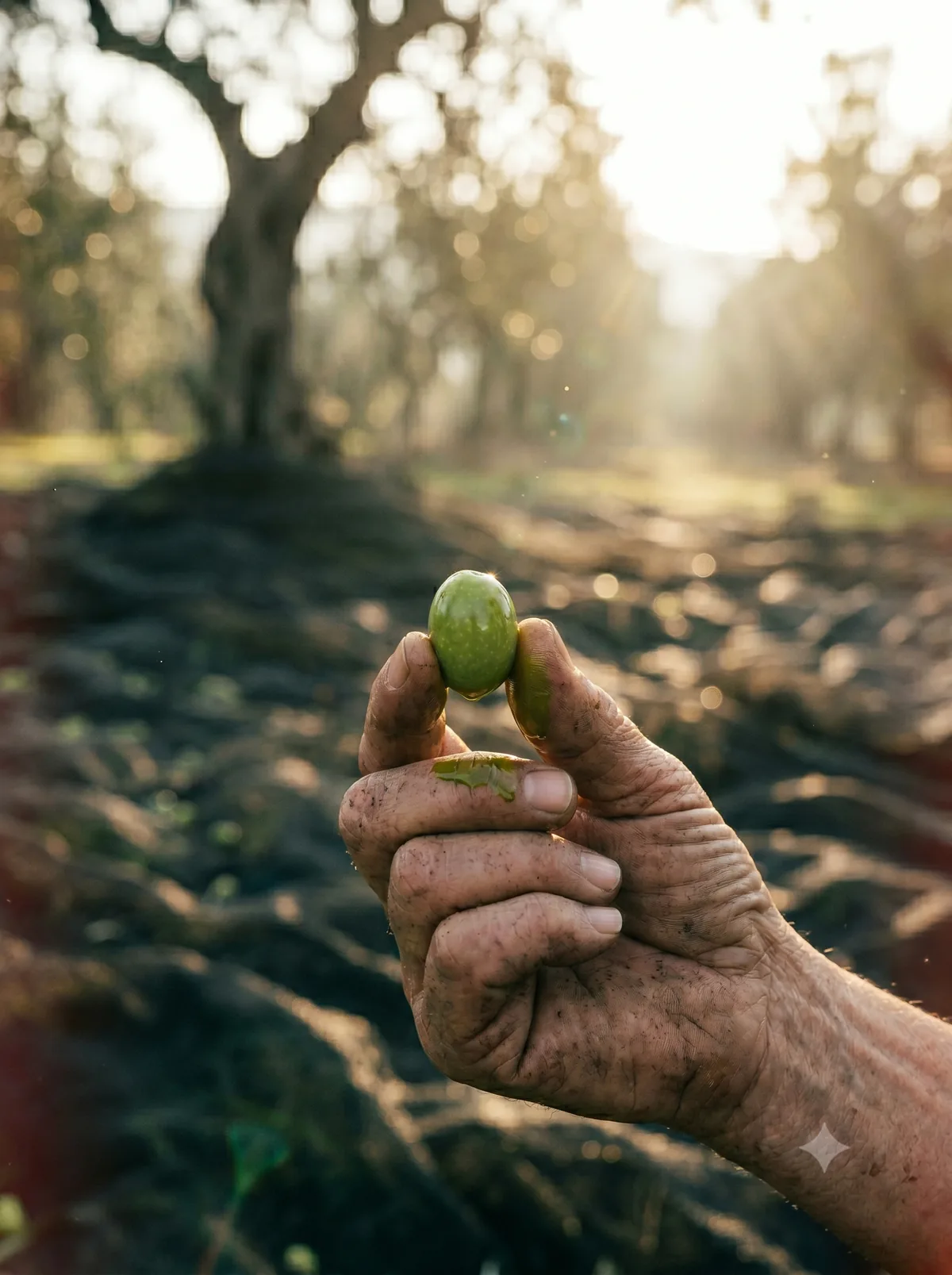
Polyphenols are natural plant compounds of the olive. They form in the fruit and pass into the oil during gentle, cold pressing. In olive oil they are responsible for two sensory qualities: the green bitterness and the peppery pungency on the finish. That slight tingle at the back of the throat is not a flaw but a sign of a fresh, living oil.
Why polyphenols are a marker of quality
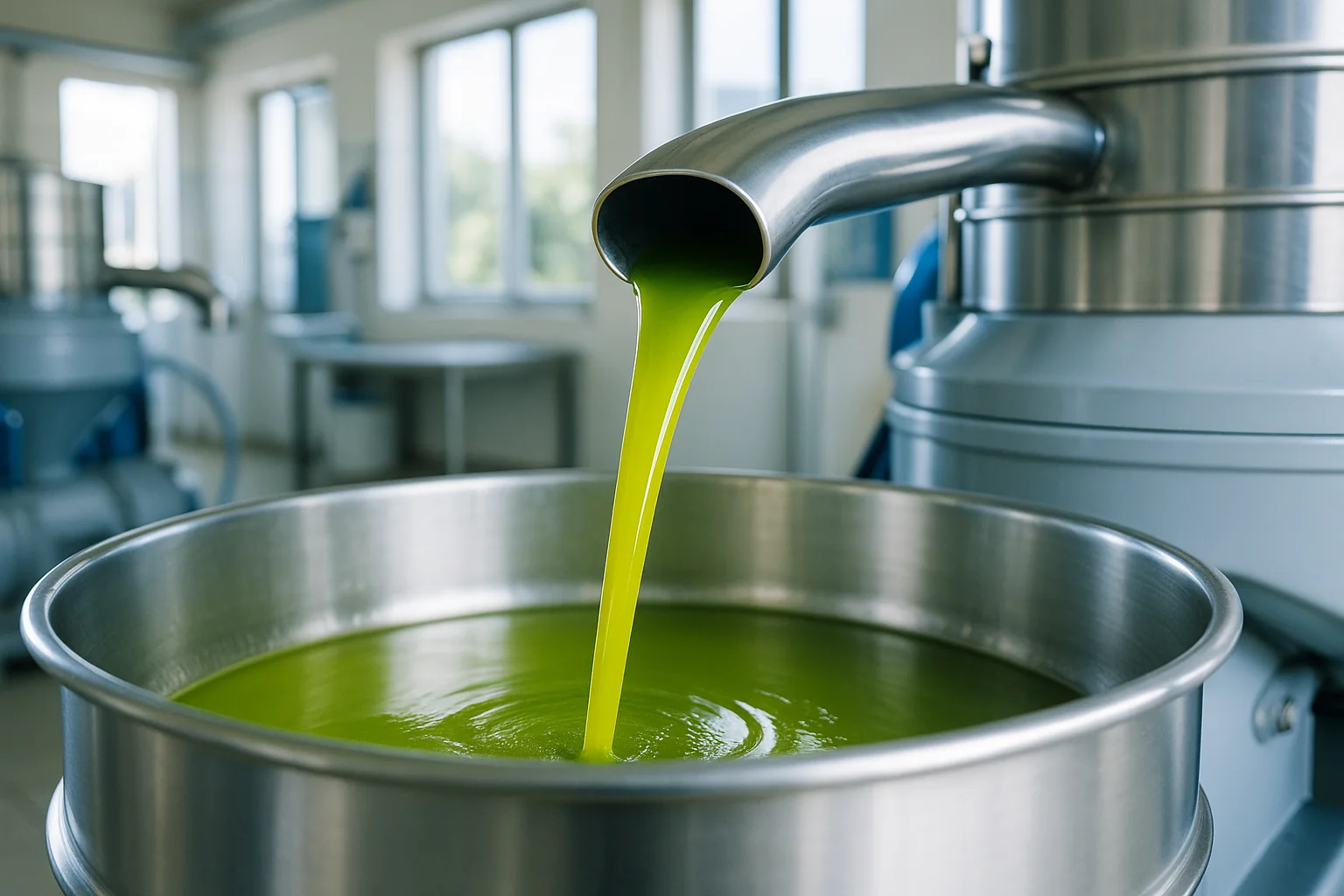
Polyphenol content depends directly on care: early-harvested olives, fast processing and cold pressing preserve more polyphenols. Industrial mass oils lose them through heat, long storage and blending. A high value is therefore an indication of freshness and craftsmanship — and of the oil’s natural stability.
How are polyphenols measured?
The content is given in milligrams per kilogram (mg/kg) and determined in the laboratory using the COI method (International Olive Council). Reputable producers report the value by batch or vintage.
| Oil | Polyphenols |
|---|---|
| Ordinary olive oil | ~50 mg/kg |
| TERRA DI GAIA Nobile | 344 mg/kg |
| TERRA DI GAIA Intenso | 697 mg/kg |
Values laboratory-confirmed (COI method). More is not automatically “better”: very high values often come with strong bitterness and pungency. Nobile shows that rich in polyphenols can also mean mild and balanced.
How to preserve polyphenols
- Buy harvest-fresh — the younger the vintage, the higher the content.
- Dark glass protects against light.
- Store cool & sealed, away from the stove and sunlight.
- Use promptly — olive oil is not a product to hoard.
Note: we deliberately make no health claims. Polyphenol values are intended as factual product and quality information.